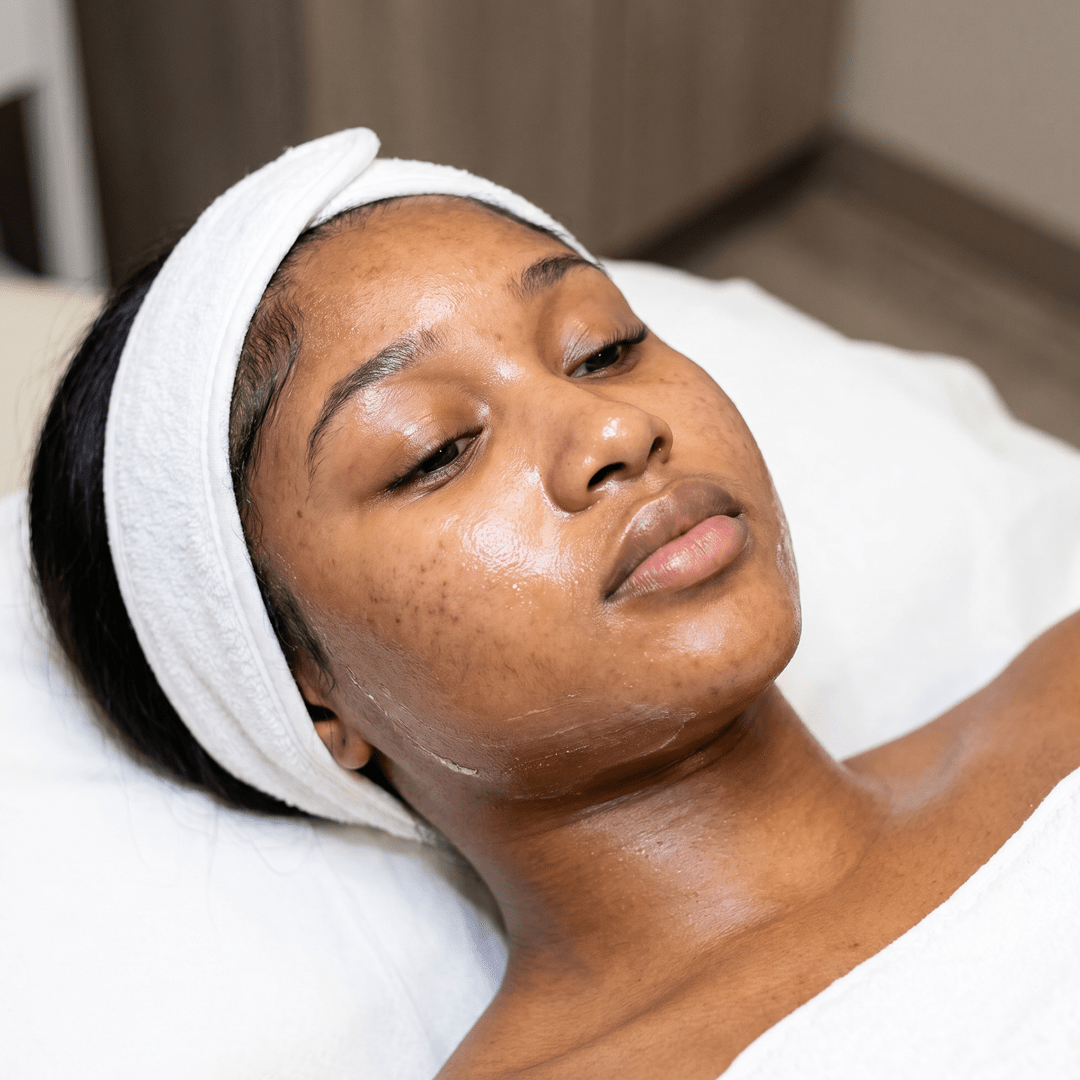
Acne is one of the most common skin conditions worldwide, affecting millions of teenagers and adults every year. Although acne often appears suddenly, the development of a blemish actually begins several weeks beneath the skin’s surface. Understanding the science behind acne formation can help you make informed decisions about prevention, treatment, and long-term skin health. At 7Skin, we believe education is essential in helping clients achieve clearer, healthier, and more confident skin. What Is Acne? Acne is a chronic inflammatory skin condition that occurs when hair follicles and pores become blocked with oil, dead skin cells, and bacteria. This blockage creates inflammation beneath the skin, leading to different types of breakouts. Acne commonly develops on areas with a high concentration of oil-producing glands, including: The Four Stages of Acne Development Beneath The Surface Stage 1: Excess Sebum Production Sebum is the skin’s natural oil that helps keep the skin hydrated and protected. However, when sebaceous glands produce too much oil, the excess sebum begins to accumulate inside the pores. Common triggers of excess oil production include: Stage 2: Dead Skin Cells Clog the Pores Your skin naturally sheds dead skin cells every day. In acne-prone skin, these cells may not shed efficiently and instead become trapped inside the pore. When dead skin cells combine with excess oil, they create a blockage called a microcomedone, the earliest stage of acne. At this point, the blockage is invisible and sits beneath the surface of the skin. Stage 3: Bacteria Multiply Beneath The Skin The blocked pore creates an oxygen-poor environment that allows acne-causing bacteria, particularly Cutibacterium acnes(formerly known as Propionibacterium acnes), to multiply rapidly. As the bacteria grow, the immune system responds by triggering inflammation. This inflammatory response is what transforms an invisible blockage into a visible blemish. Stage 4: Inflammation Creates Visible Acne Once inflammation develops, the skin begins to show visible signs of acne. Different types of acne can form depending on the severity of the blockage and inflammation. Why Does Acne Form Beneath The Surface? Acne rarely has one single cause. It usually develops due to a combination of factors. Hormonal Changes Hormonal fluctuations can stimulate excess oil production. Hormonal acne is common during: Genetics If your parents experienced acne, you may have a higher likelihood of developing acneprone skin. Genetics can influence: Stress Stress increases cortisol levels, which may stimulate oil glands and increase inflammation. Many people notice worsening breakouts during periods of emotional stress, lack of sleep, or lifestyle changes. Diet and Lifestyle Factors Certain dietary patterns may contribute to acne development, including: Why Some Acne Develops Deep Under The Skin Blind pimples and cystic acne often develop deeper within the dermis. These lesions: Deep acne develops when inflammation extends further into surrounding tissue, creating larger lesions beneath the skin’s surface. Can Acne Be Prevented? Although not all acne can be prevented, healthy skincare habits can significantly reduce breakouts. Build a Consistent Skincare Routine Morning Routine Evening Routine Avoid Over-Cleansing Overwashing can strip the skin barrier and increase irritation and oil production. Aim to cleanse twice daily using gentle, non-comedogenic products. Avoid Picking or Squeezing Spots Picking acne lesions can: Professional Treatments for Acne-Prone Skin Professional treatments may help manage acne and improve long-term skin health. Potential treatment options include: A personalised treatment plan can address the underlying causes of acne and support healthier skin over time. Frequently Asked Questions How long does acne take to develop? A blemish can begin forming beneath the skin several weeks before becoming visible. Why do pimples appear suddenly? The underlying blockage and inflammation have often been developing for days or weeks before appearing on the surface. What causes cystic acne? Cystic acne develops when inflammation occurs deep within the skin and is often influenced by hormones, genetics, and increased oil production. Can acne be treated? Yes. With consistent skincare and professional support, many forms of acne can be effectively managed and improved. Summary Acne does not start on the surface of the skin; it begins deep within the pores through a complex process involving excess oil, dead skin cells, bacteria, and inflammation. By understanding how acne develops beneath the surface, you can take proactive steps to support clearer, healthier skin and seek personalised professional care when needed. At 7 Skin, we are committed to helping every client understand their skin, address the root causes of acne, and build confidence through personalised, evidence-based skin solutions. Book for a consultation today!

Explore Healthy Skin: The Ultimate Guide to Achieving Radiant, Healthy Skin Naturally
Healthy skin is more than just a beauty goal; it’s a reflection of your overall health and well-being. Whether you’re looking to achieve glowing skin, improve skin texture, reduce signs of ageing, or maintain a youthful complexion, understanding how to care for your skin is essential. At 7Skin, we believe healthy skin begins with the right combination of professional skincare, personalised treatments, and daily habits that support long-term skin health. What Is Healthy Skin? Healthy skin is skin that is: Healthy skin has a strong skin barrier that retains moisture and defends against pollution, UV rays, and harmful bacteria. Why Is Healthy Skin Important? Your skin is the body’s largest organ and serves as your first line of defence against external aggressors. Maintaining healthy skin can: The Layers of the Skin https://www.innerbody.com/image/nerv16.html The Essential Steps to Healthy Skin 1. Follow a Consistent Skincare Routine A daily skincare routine is the foundation of healthy skin. Morning Skincare Routine Evening Skincare Routine 2. Keep Your Skin Hydrated Hydration is essential for maintaining healthy, glowing skin. Dehydrated skin can appear dull, tired, and more prone to fine lines. Ways to improve skin hydration: 3. Protect Your Skin from Sun Damage Sun exposure is one of the leading causes of: Daily sunscreen use is one of the most important habits for maintaining youthful and healthy skin. 4. Eat a Skin-Healthy Diet Beautiful skin starts from within. Nutrient-rich foods can improve skin health and support collagen production. Best Foods for Healthy Skin Vitamin C Rich Foods Omega-3 Fatty Acids Antioxidant Foods 5. Prioritise Sleep and Stress Management Your skin repairs itself while you sleep. Lack of sleep can contribute to: Stress can also increase cortisol levels, leading to acne and skin sensitivity. Ways to improve skin wellness: Common Signs of Unhealthy Skin You may need to improve your skincare routine if you experience: Professional Treatments for Healthy Skin Professional skin treatments can significantly improve skin quality and accelerate results. Skin Consultation A personalised skin assessment identifies concerns and creates a tailored treatment plan. Medical-Grade Facials Professional facials can: Advanced treatments may help: How to Maintain Healthy Skin Long-Term Daily Healthy Skin Checklist Exploring healthy skin is a lifelong journey that combines good skincare habits, healthy lifestyle choices, and personalised professional support. Investing in your skin today can help you achieve a radiant, youthful, and confident complexion for years to come. At 7Skin, our mission is to help every client achieve healthier, stronger, and more radiant skin through personalised care and advanced skin solutions. Book for a Consultation today!